
Automotive
The changeover is agreed. What is open is who runs the new line.
Electrification, software inside the product and a quality check that moves from the gauge to the camera. Several units at once, with a fixed date at the end.
The first market for QualiShift. For manufacturers and suppliers converting a site.
691,500
people employed in vehicle manufacturing in Germany
219,500
of them at suppliers
Headcount reduction in the industry and the qualification need inside the plant are not two separate topics. Whoever stays is working on different equipment than three years ago.
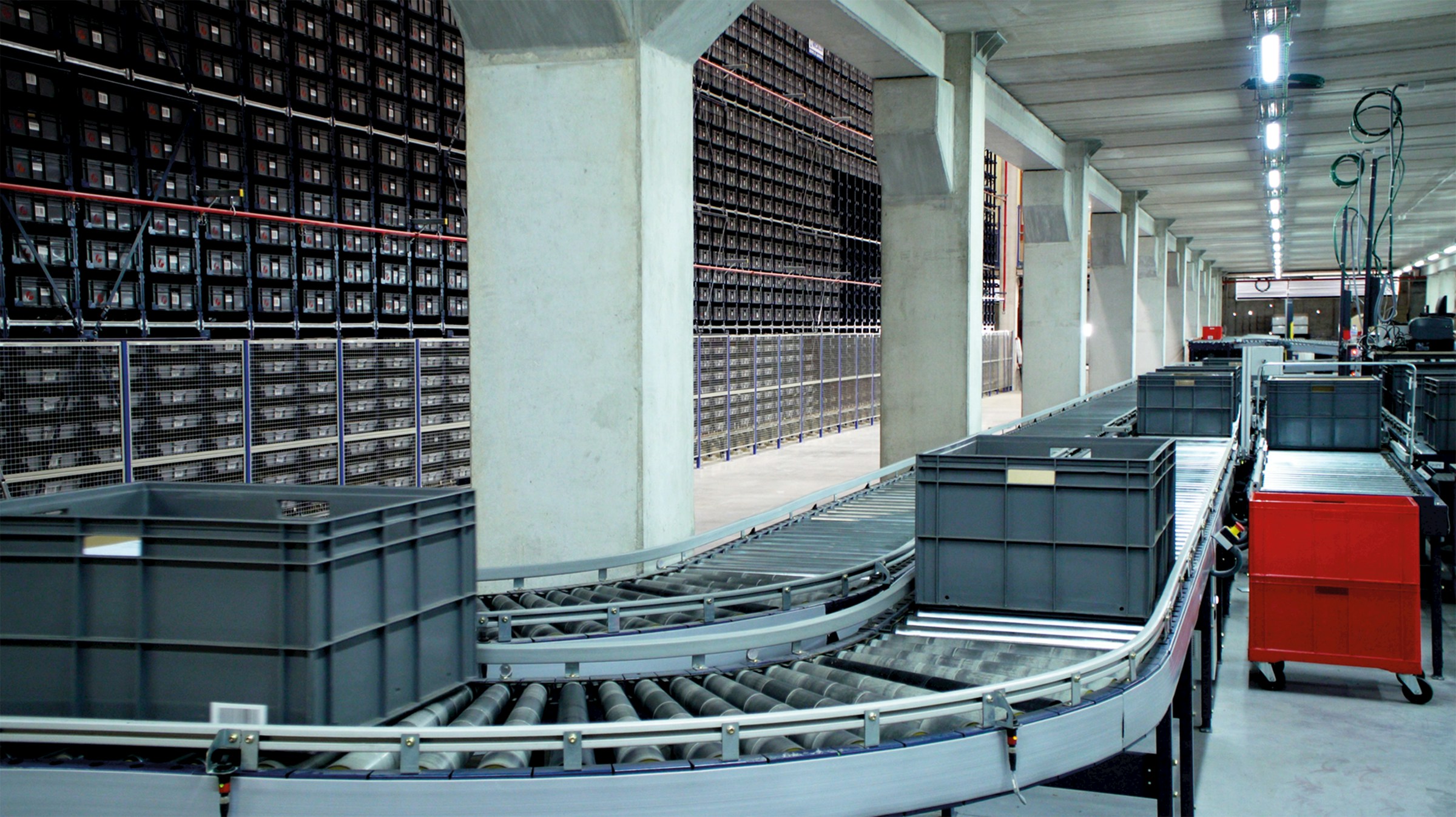
What is changing technically
Six drivers hitting the same workforce at once
On its own each would be a departmental project. Together they create a qualification need across the whole plant.
Electrification of the drivetrain.
High-voltage systems in the product and on the line, different testing and release steps, different safety rules at workplaces that used to be purely mechanical.
Software becomes part of the product.
Control unit versions and diagnostic interfaces move into assembly and end-of-line testing. A test result now depends on the software version loaded.
Automation on the shop floor.
Machining centres, robot cells and automated guided vehicles shift the work from operating towards setting up and clearing faults.
New manufacturing technologies.
Module and pack assembly, bonding and joining instead of welding on certain assemblies. Different process windows, different defect patterns.
Digital quality.
Camera-based inspection stations and continuous test data. The quality decision moves from the single part to the process.
A changed product portfolio.
Different variants, volumes and supplier base. This reaches planning and logistics earlier than production.
Roles
Which units it reaches, and what is worked there today
On the left is what the plant holds today in recognised occupations, on the right what changes about the work. The distance between them is the skill gap.
Production and assembly
High-voltage components, bonding and joining with narrow process windows, automated lines rather than single machines.
Quality
Setting up inspection stations, maintaining test programmes, deriving decisions from test data rather than single findings.
Maintenance
Maintenance by condition instead of interval, reading sensor data, narrowing down faults on robotics, isolating high-voltage systems safely.
Engineering and equipment planning
Designing and commissioning automated cells, validating new joining processes, the interplay between line controls and the execution system.
Supply chain and logistics
Automated guided vehicles in internal traffic, material supply driven by data rather than by sight, changed incoming inspection.
Product development and testing
High-voltage test benches, validating software states, measurement on electric drives.
A distinction most pages skip
The starting point of a cohort is standardised. The destination is not.
On the left sit recognised training occupations. Defined by German training regulations, cut the same way nationwide and therefore a reliable starting point.
Target roles are internal role profiles. Labels such as “Fachkraft für Batterietechnik” appear in job adverts but are not recognised training occupations. So we describe a target role by the skill level the future equipment demands.
Skills
What is needed on top
Not instead of the craft, but in addition to it. Existing technical knowledge stays the foundation. It simply no longer covers the new equipment.
Electric drives and high voltage
- How electric drives are built and how they behave
- Working safely on high-voltage systems, isolating and proving absence of voltage
- Testing and release steps on high-voltage assemblies
Automation and line operation
- Control systems, programme structure and commissioning
- Robotics: paths, grippers, cell safety
- Industrial communication and fieldbus diagnostics
Data on the shop floor
- Reading production data and placing deviations in context
- Manufacturing execution system and digital control station
- Statistical process control
Digital quality
- Machine vision at inspection stations
- Maintaining test programmes and test equipment
- Test and process documentation that survives an audit
The drivetrain shift
Why the pressure reaches the drivetrain first
In that situation qualification is not a benefit. It is the difference between a vacancy the plant has to fill and a person who is already there.
726,000
of roughly 1.6 million jobs in European drivetrain production are at stake by 2040
225,000
fewer jobs in Germany by 2035 than in 2019, of which roughly 100,000 have already gone
- 01Europe, not Germany.
- 02The drivetrain, not the industry as a whole.
- 03Jobs at risk in an extreme scenario, not jobs being created.
Neither figure says how many employees will change what they do. There is no reliable survey on that, and we will not invent one.
Example scenario
A supplier converts a plant
This is how the case looks inside the platform: one initiative, the units it touches, role clusters with headcount and the target roles derived from them.
Plant South 2028
Shift to electric drivetrains and automated end-of-line testing
412
Role clusters today
End-of-line testing and quality control
81
Drivetrain assembly
74
Machining and CNC production
72
Maintenance
66
Production planning
58
Internal logistics
49
Target roles derived
High-voltage specialist
46
27
4
Automation technician
42
39
5
Digital quality technician
38
48
5
Digital production technician
35
44
3
Smart maintenance technician
31
62
3
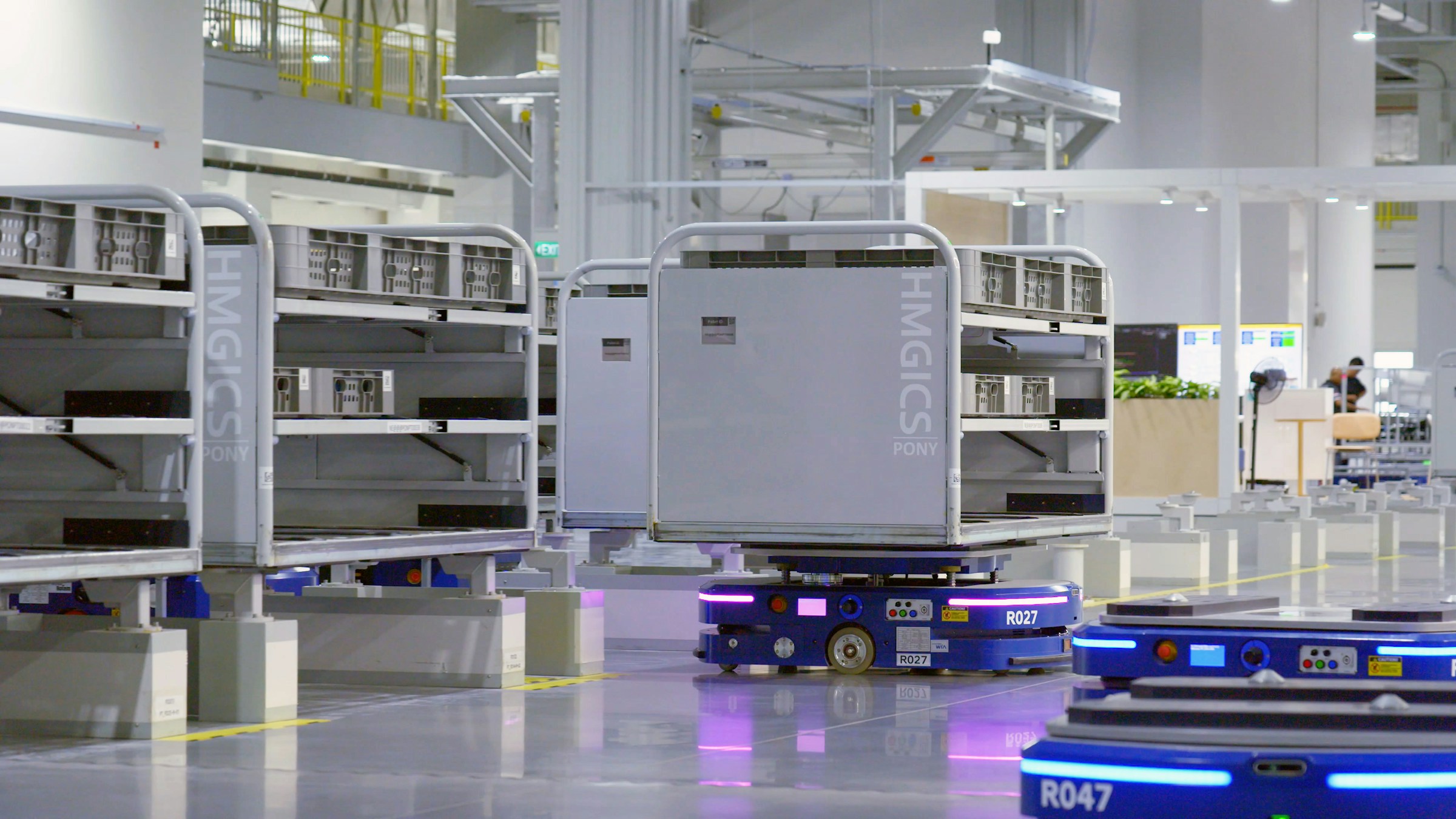
Running it in the plant
How a qualification actually runs across three shifts
This is where most initiatives fail, and not because of the content. Shift, location, release from work and group size are planning parameters.
- Shift model
- A cohort is cut along the shift groups and run in two passes, so the line stays staffed.
- Location
- Once a group is large enough to justify a dedicated date, the provider comes to the plant. Practice happens on the plant's own equipment, otherwise transfer stays the hardest part.
- Release from work
- Paid release with a named cover plan per shift, written into the works agreement. Without it, the first bottleneck ends the whole cohort.
- Group size
- Large enough for a dedicated provider date, small enough for hands-on work. The test bench sets the ceiling, not the seminar room.
- The ramp-up sets the clock
- The qualification has to be finished before the equipment produces. The learning path is planned backwards from the ramp-up date.
Section 97 (2) BetrVG: where measures taken by the employer change the work so that existing knowledge no longer suffices, the works council has a right of codetermination on introducing training measures. Delivery adds Section 98 BetrVG, including the right to propose participants. A qualification plan without documents gets deferred in the first meeting.
A learning path as it emerges from this
Four building blocks in an order that survives shift work. Not a seminar, but a route to a role.
- Automation technician
- 24 weeks
- 24
A cohort shrinks on the way to confirmation, and that is normal. What becomes visible is what it shrinks on: interest, dates or cover.
Control systems foundations
Structure, programming, commissioning
6 weeks
Robotics and handling
Path planning, grippers, cell safety
8 weeks
Industrial communication
Fieldbus, diagnostics, network layout
4 weeks
Practical phase on the line
Supervised fault clearing in the plant
6 weeks
Cohort fit
Why automotive is the strongest case for cohorts
A unit is cohort-ready when many people go through the same change, start from comparable prior knowledge and are available at the same time.
Many people do the same work. On one line, dozens of employees work on the same equipment facing the same change. In staff functions that is almost never met.
Prior knowledge is regulated. Production mechanics or electronics technicians for machine and drive technology bring a nationally identical foundation. Entry tests become unnecessary.
The trigger has a date. A ramp-up is scheduled and undisputed in the plant. A cohort can be planned backwards from it.
Shift systems are predictable. A shift roster is a hard but calculable constraint. Without shifts, availability is softer and harder to coordinate.
Codetermination is established. Works council, works agreements and a training committee already exist. No procedure has to be invented, it only has to be served with documents.
Where it does not work here either
In product development, testing and equipment planning the cohort becomes small quickly. For those units the learning path is the more useful instrument.
Other industries
QualiShift is not tied to a sector. The fit comes from the company situation.
Next step
Once the ramp-up date is fixed, we start with the roles.
The Transformation Scan asks about the initiative, the units affected and the order of magnitude, and returns a first role and skill picture.